


Summary:
- A credit check is a snapshot of a potential tenant’s money habits and financial standing
- Landlords review rental credit reports to help predict if a potential tenant is likely to pay rent on time and in full every month
- Credit reports can show potential derogatory marks, such as past due bills, collections, overwhelming debt, bankruptcies, and more, according to Best Egg
- Getting a credit report from a background check agency is one part of responsible tenant screening
Disclosure and Disclaimer
This post only contains educational information. No financial, tax or legal advice.
This information is for educational purposes only and we do not guarantee the accuracy or completeness of this information. This website may contain links to third party websites. We are not responsible for their content or data collection. Trademarks used in this material are property of their respective owners and no affiliation or endorsement is implied. Remember that this material is intended to provide you with helpful information and is not to be relied upon to make decisions. This information does not constitute financial, tax or legal advice and you should consult your own professional adviser regarding your situation.
If someone is not quite tall enough for a roller coaster, riding could be really dangerous. Similarly, if someone’s credit doesn’t quite stack up, you could be risking a harrowing ride with your rental business.
According to financial site SmartAsset, an eviction can cost you between $1,000 and $5,000 or more depending on a number of factors––and that’s what you might be stuck with if your tenant stops paying rent.
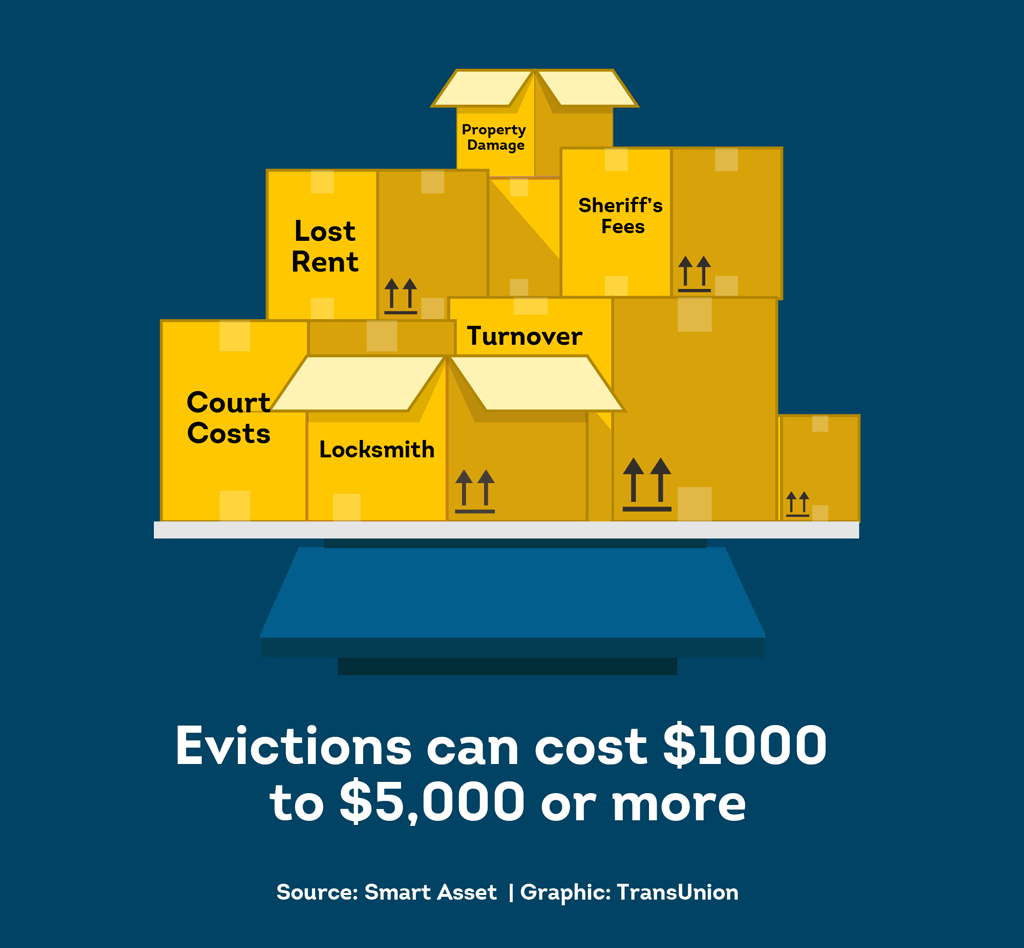
Such a large sum can be a devastating business blow to independent landlords. In addition to an expensive eviction and legal fees, you may be saddled with the costs of a vacant rental unit.
This is why so many property managers look for potential credit report red flags and screen prospective tenants with background checks through services like SmartMove®. One major report landlords review is a credit check — and with good reason.
This article covers what credit checks can tell you, potential red flags to watch out for, tips for how to run a credit check on rental applicants, and why you shouldn’t skip this essential screening.
Why Should Landlords Run a Credit Check on Tenants?
A credit report is just one type of rental background check. This critical report is a snapshot of a rental applicant’s financial health and habits.
It can help you understand more about things like a potential tenant’s history with managing their financial obligations and paying their debts on time. Knowing about these past habits, and uncovering possible credit report red flags may help you better predict if someone:
- Has sufficient finances that meet your rent-to-income requirements
- Is likely to pay rent each month or not
This is why landlords consider a credit check to be critical when predicting whether or not a rental applicant will be a responsible tenant.
What do Landlords Look for in a Credit Report?
As you review a rental applicant’s credit report, it’s important that you know what potential red flags to look for in order to spot tenant warning signs immediately. For example, here’s what you can see in a credit report if you get it from SmartMove:
- Profile summary
- ResidentScore®
- Tradelines (the history of their credit account)
- Collections
- Inquiries
Knowing what to look for in each of these sections can help you spot the potential credit report red flags.
What are Potential Red Flags for Landlords in Credit Reports?
While the characteristics below are not always a deal breaker for rental applicants, landlords should be on the lookout for these potential credit report red flags.
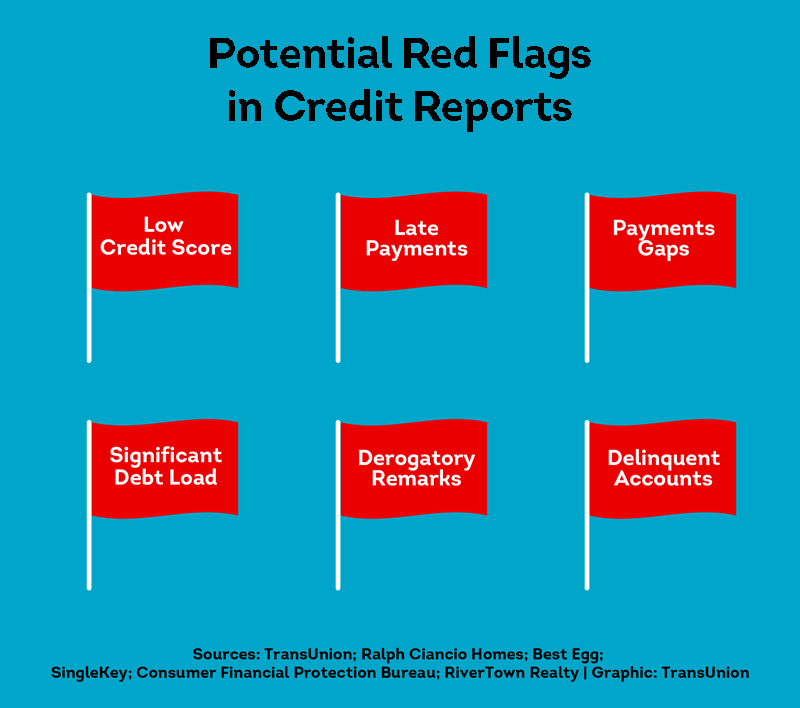
1. Low credit score
If your rental applicant has a below average credit score, it’s right to take note. According to RiverTown Realty, a low credit score can be a sign of irresponsible financial behavior in rental applicants.
That said, one number alone doesn’t tell the whole story. After all, according to Law Depot, credit scores don’t necessarily provide a holistic view of an applicant’s current financial state or behavior. For example, someone could be well on their way to rebuilding their credit after some bad luck.
A Confident Predictor of Rental Outcomes
Another limitation of credit scores is that they were made to assess risk when it comes to money lending scenarios, such as loans and mortgages. A traditional credit score was just not created to predict if a tenant will pay their rent or not.
On the other hand, ResidentScore was made for the rental market. This scoring system was designed to help assess the level of potential eviction risk. It is calculated based on a rental applicant’s:
- Payment History
- Credit Utilization
- Credit History
- Credit Availability
- Inquiries
With a familiar 350 to 850 range, ResidentScore® can make it easier for landlords to help spot potential tenant red flags before they become a problem.

Pro Tip:
Having open, honest conversations with current and potential residents is one way to improve your landlord-tenant relationship, which can have surprisingly positive results for your rental business.
2. Late payments
Why are late payments considered a primary credit check warning sign? According to property management site SingleKey, a history of late payments on a credit report is a “significant red flag” for landlords that you should take quite seriously.
This makes sense. After all, would you be more comfortable with a tenant who has a history of paying all bills on time, or a tenant who is loosey goosey with their financial obligations?
Thankfully, these landlord warning sign patterns can be easy to spot. In a SmartMove credit check, you can see payment history in the profile summary and tradelines section of the report. Here, you can check if your rental applicant routinely makes late payments, and even how late they typically pay. These payments are broken down into buckets of:
- 30 days late
- 60 days late
- 90 days late
- 120 days late
- 180+ days late
Ultimately, a credit report gives landlords a more complete view of their prospective tenant’s financial history. It may help you assess if you can trust them to pay or not.
3. Payment Gaps
Along with recent late payments, you can review a credit report for historical payment gaps. According to Ralph Ciancio Homes, past periods with unexplained gaps in loan, credit, or other payments could mean someone isn’t financially sound.
Most derogatory marks can stay on someone’s credit report for 7 to 10 years, according to the Consumer Financial Protection Bureau. This means you could have several years of data to review for payment consistency.
Payment dependability is a crucial part of financial responsibility, as you want a tenant who will consistently pay rent each month.
4. Significant Debt Load
Why is tenant debt load a potential credit report red flag for landlords? You want a tenant who not only has a history of paying obligations on time, but also has sufficient finances that meet your rent-to-income requirements. This is why it’s essential to review both credit history and current income.
To help with this, check the debt that shows up on a credit report. If a potential tenant is too far underwater already, adding a rent payment on top just might break the dam — and wash away your hope of profits.
However, just debt alone may not be the complete picture. According to SingleKey, it’s advisable to check your rental applicant’s debt-to-income ratio and type of debt to make a better decision.
For example, if your tenant makes a ton of money, having a large amount of debt may not be a credit report red flag. On top of that, the article states there could be a difference in debt type:
- High-interest debt may be more concerning. For example, if your rental applicant has many credit cards and they are all completely at the limit, this may be a warning sign.
- Regular installment debt like a car note or repaying student loan may be less concerning—as long as they’re keeping up with the payments.
A SmartMove credit report may include the type of account, the current balance, the credit limit, and payment status to help you better understand someone’s debt load.
Pro Tip:
An exclusive SmartMove report, Income Insights may help you confirm if your hopeful tenant actually makes the amount they claim on the rental application — or if you need to scrutinize their finances further.
5. Derogatory marks
What is a derogatory mark on a credit report? According to financial site Best Egg, derogatory marks are negative hits on a credit report that often mean someone didn’t quite meet their financial obligations.
The article explains that derogatory marks could include:
- Paying bills late or accounts in collection
- Credit card charge-offs
- Bankruptcies
- Judgements, such as lawsuits and court rulings
- Settling with debtors
- Repossession and foreclosure
- Tax liens
- Loan defaults or delinquency
According to Ralph Ciancio Homes, if a rental applicant has any of these derogatory marks, it could indicate irresponsible financial behavior. It could be wise to take a closer look to help determine if the tenant is still experiencing trouble or has taken steps to repair their situation.
If you don’t, you can’t be surprised if your unvetted tenant stops paying rent.
6. Delinquent accounts in rental history
Landlords may sometimes use credit checks to help review an applicant’s rental history. According to TransUnion, landlords can report rent payments to credit bureaus. This can help tenants build their credit history and also encourage them to pay rent.
Then, if your prospective tenant’s previous landlord reported their payment history to a credit bureau, this history may show up on their credit report.
If you see that someone owes outstanding debt to previous landlords or has a history of not paying rent, it could be a tenant red flag and make you think twice before signing a lease with them––at least until you get the whole story.
How to Verify Rental History
In addition to checking the credit report for past rental payments, you can also take a few other actions to check an applicant’s rental history, through things like:
- Asking for a housing history on the rental application
- Asking poignant screening questions about rental history
- Conducting landlord reference checks
- Running previous eviction checks
Combining this information with data from background reports may give you a better picture of how someone may potentially behave in your property.
Pro Tip:
Conducting landlord reference checks can also help you learn if your rental applicant caused expensive damage beyond normal wear and tear in the past. This information might help you decide how to move forward with your potential resident.
How do landlords check credit?
First of all, it’s important to get it right. If not, risky screening practices can potentially ruin your rental business with expensive lawsuits and settlements. Always follow applicable laws and contact qualified legal counsel if you have any questions.
There may be a few different ways to get a credit report. That said, using a reputable online background check service like SmartMove can simplify the process of obtaining and reviewing a rental applicant’s credit information.
Screen tenants online with SmartMove
SmartMove tenant screening was designed for independent landlords who only need to screen tenants occasionally. There are no sign-up costs, hidden fees, subscriptions, minimums, site visits, or other barriers. You can simply create a free account and start screening.
What’s more, SmartMove screening benefits don’t just stop with a credit report and ResidentScore®. You can also get:
- Criminal background report : SmartMove searches for your rental applicant in millions of available criminal background records looking for a potential match to your applicant..
- Eviction report: Learning more about an applicant’s past housing habits may help you make more confident leasing decisions.
- Income Insights: Help verify that your applicant is making the income they reported in the rental application and reduce the likelihood of facing tenant payment problems.
- Identity Verification: Help confirm your tenant is actually who they say they are.
With SmartMove, you get easy-to-read reports backed by TransUnion — a major credit agency with decades of data expertise.
What if My Prospective Tenant Doesn’t Have Any Credit?
An applicant without a credit history might not be a tenant red flag and doesn’t have to be automatically ruled out of your applicant pool, as they may not be a bad choice. For example, someone who has just graduated college may not have had much time to build a credit profile.
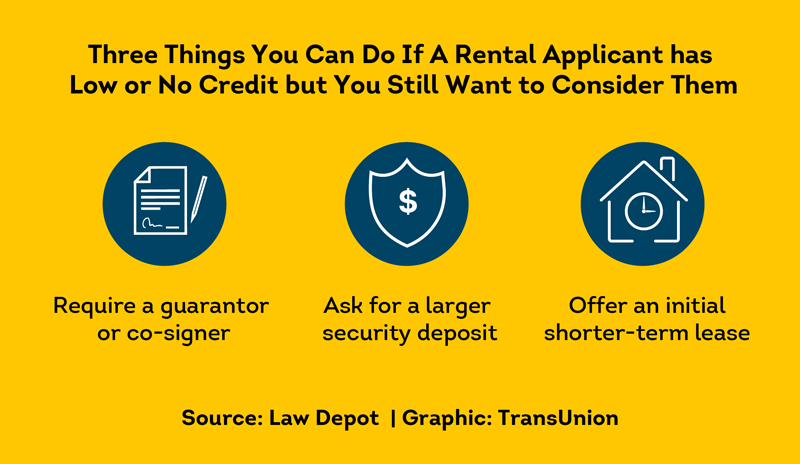
That said, you need to be extra careful when you don’t have the full, usual information. According to Law Depot, there are a few things you can do if a rental applicant has low or no credit but you still want to consider them:
- Require a guarantor or co-signer
- Ask for a larger security deposit
- Offer an initial shorter-term lease to see how the applicant does
No matter what, the article also suggests discussing your concerns with your potential tenant and getting extensive proof of income.
How To Spot Potential Credit Check Red Flags with SmartMove Tenant Screening
Like a lap bar on a thrill ride, credit reports are a security measure that helps ensure a smoother, safer experience. If you’re not checking a rental applicant’s credit, you may risk a potentially catastrophic outcome for your business.
However, safer tenant selection doesn’t stop there. Get fast, online tenant background checks with SmartMove.
Does your applicant have sufficient finances to afford the rent and a history of paying debts on time? Help find out with the following financial reports:
- A credit check can help you learn more about payment history, debt load, derogatory marks, and other essential financial information
- Income Insights can help you confirm your potential tenant actually makes what they claim on the rental application
- Included in every SmartMove screening package, a ResidentScore® is designed to help predict potential eviction risk
On top of money worries, many landlords also fret about the safety of their properties. Find out more about a rental applicant’s past with a criminal background check and previous eviction report. You can even get identity verification to help confirm they’re really who they say they are.
With online reports delivered quickly, you can swiftly review tenant credit and background data to help make confident leasing decisions.
Don’t let irresponsible tenants swing your rental business in a loop-de-loop. Help protect your property with fast, flexible tenant screening through SmartMove.
Know your applicant.

Potential Credit Report Red Flags for Landlords FAQs
Derogatory marks are negative blemishes on someone’s credit report, according to financial site Best Egg. The article explains that these undesirable marks can result from accounts in collections, late payments, charge-offs, bankruptcy, court judgements, settling with debt collectors, repossessions, foreclosures, liens, defaults, and more.
It depends. After all, one single number might not tell you much. According to Law Depot, if you have an otherwise good candidate with a lower credit score, you should talk to them about your concerns. You can also consider other options, such as requiring a guarantor or getting a larger security deposit.
Then, get a ResidentScore®. This calculation was specifically made for the rental market.
Yes, as long as they have a legitimate business need for it, according to the Consumer Financial Protection Bureau. That said, landlords may generally need to get tenant consent before requesting a credit report.

Additional Disclosure:
For complete details of any product mentioned in this article, visit www.transunion.com. This site is governed by the TransUnion Rental Screening Privacy Policy Privacy Notice located at TransUnion Rental Screening Solutions, Inc. Privacy Notice | TransUnion.