

Summary:
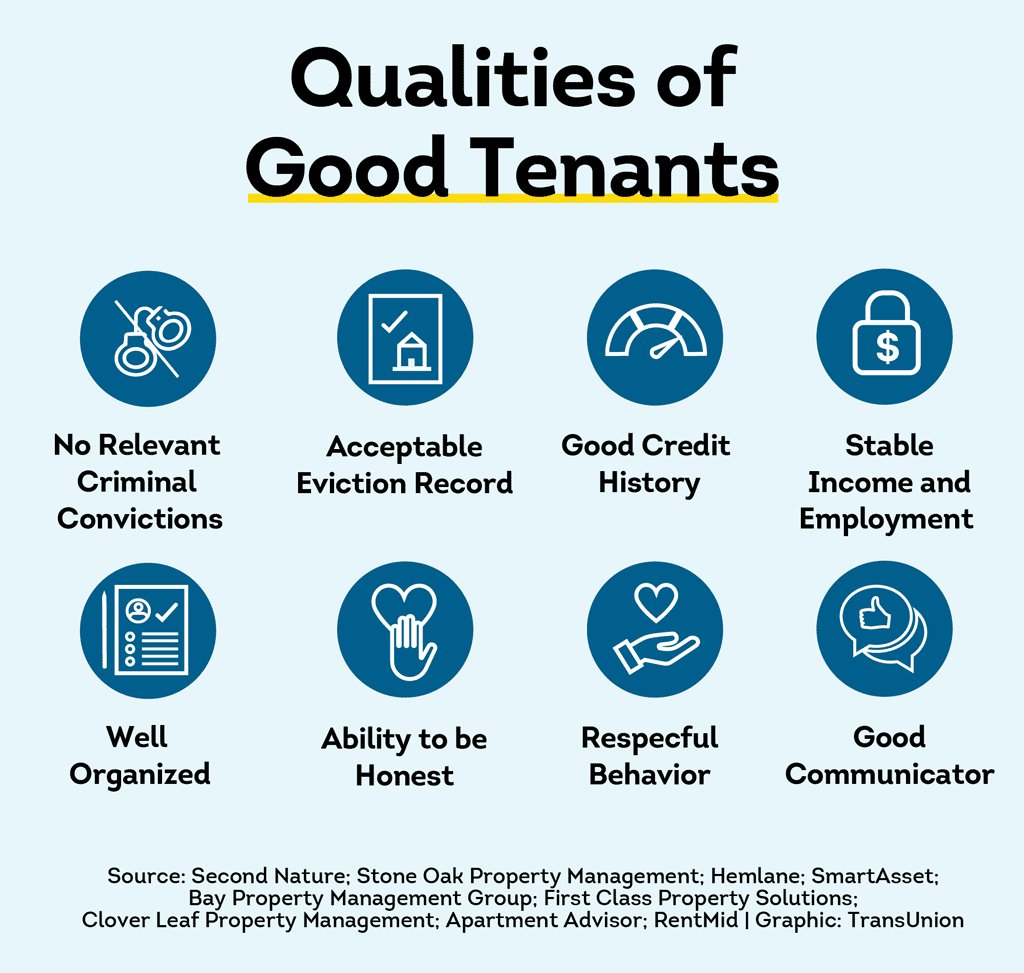
- What makes a good tenant? Good tenant qualities may include having a good rental history, stable income, great communication, and excellent organization.
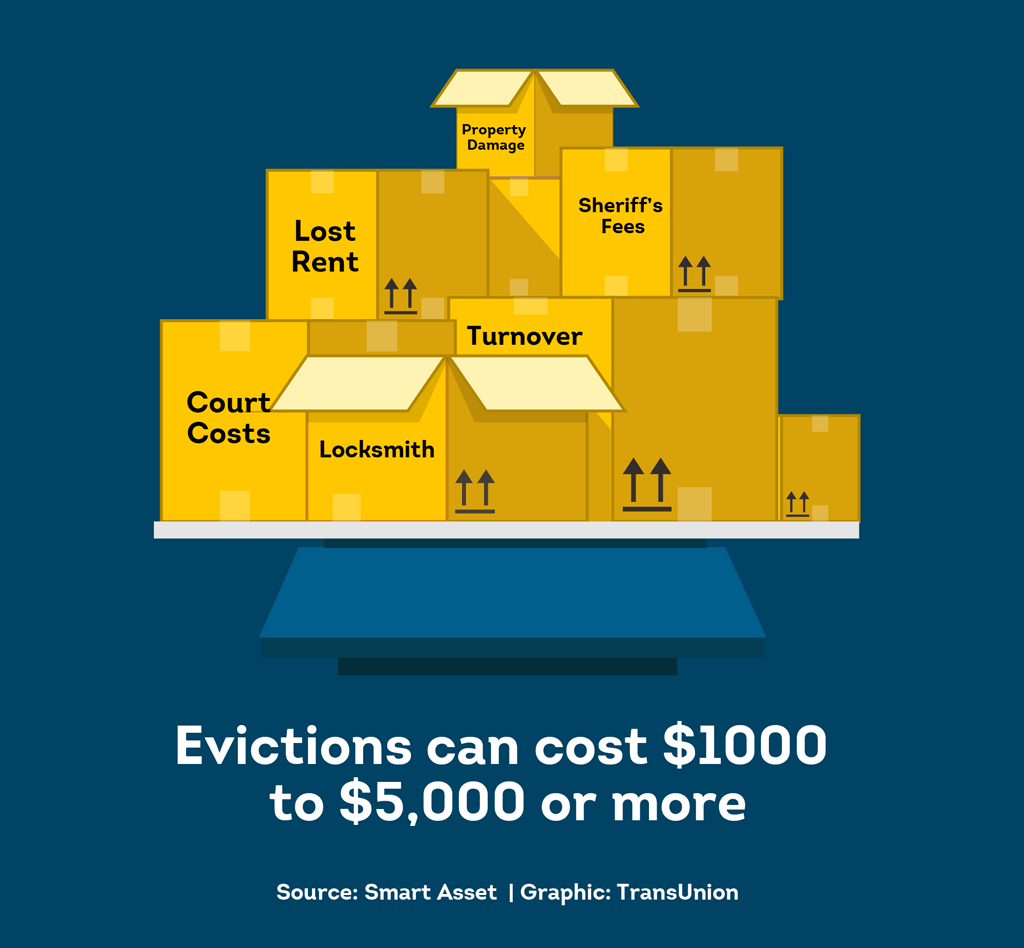
- Why is a good tenant important? It’s important to place good tenants from the start, as evicting someone can cost from $1,000 to $5,000 or more, according to SmartAsset
- Applicable laws govern what information you can get about tenants and how you can use it while making rental decisions
- When assessing tenant qualities, you should get data through background check services instead of relying solely on your gut instinct, to help you determine what makes a good tenant.
Disclosure and Disclaimer
This post only contains educational information. No financial, tax or legal advice.
This information is for educational purposes only and we do not guarantee the accuracy or completeness of this information. This website may contain links to third party websites. We are not responsible for their content or data collection. Trademarks used in this material are property of their respective owners and no affiliation or endorsement is implied. Remember that this material is intended to provide you with helpful information and is not to be relied upon to make decisions. This information does not constitute financial, tax or legal advice and you should consult your own professional adviser regarding your situation.
Finding someone with good tenant qualities is like dating. You flip through interested applicants until you see someone with compatible qualities you can trust. Only, instead of pina coladas and walks on the beach, you’re searching for someone who likes walk-in closets and paying their rent on time, someone who isn’t going to break your heart or your sink.
Beyond the headache of repairing damage, choosing the wrong tenant for your rental property can lead to big financial challenges. If your tenant stops paying rent, you could even face the headache of potentially expensive eviction proceedings.
According to financial site SmartAsset, evictions typically cost landlords between $1,000 and $5,000; or more than $5,000, depending on a number of factors.
Would you want to sacrifice your time and hard-earned money on attorneys, court appearances, and vacancy? Probably not. That’s why it’s so important to determine what makes a great tenant, and then place good tenants from the start. Of course, you can run background checks through a reputable company like SmartMove®, but do you know what good tenant qualities to look for?
This article covers what makes a great tenant and the top qualities of good tenants––how they behave, what their financial and rental history shows, and more. Landlords wondering how to find a good tenant should look for these good tenant qualities which may help you have more informed rental decisions.
1. No Relevant Criminal Convictions
As a landlord, you may feel you have a responsibility to keep yourself, your property, and your neighborhood safe. This is one reason landlords should screen potential tenants with a criminal background check.
According to property management site Second Nature, finding tenants with a clear criminal history may mean more trustworthy residents who are more likely to pay on time.
Of course, every situation is different. This is why Stone Oak Property Management advises having a standardized screening policy and assessing criminal background reports on an individual basis. You might consider context like the crime’s:
- Nature
- Severity
- Recency
- Rehabilitation efforts
Then, the article explains that if the crime is relevant to a rental situation and you may want to deny the applicant, you should be able to show how the decision is fair, non-discriminatory, and meets your screening policy.
- It’s essential to remember that tenants have rights during tenant background screening and selection.
Ultimately, it’s your duty to understand state-specific and federal laws governing background checks. Consult qualified legal counsel if you have any questions.
What does a tenant criminal background report include?
The contents of a criminal background check for rentals can vary based on the provider. For example, SmartMove criminal history reports scan millions of available crime records searching for a potential match for your applicant.
2. Acceptable Eviction Record and Rental History
One important element of helping predict how someone might behave in the future is to review how they’ve behaved in the past. This is why many landlords check for previous evictions before agreeing to rent to someone.
According to Hemlane, a tenant’s eviction history may help you catch tenants with previous housing instability, problems paying rent, violating the lease terms, or damaging property.
Evictions can cost several thousand dollars according to SmartAsset, so it may be essential to do everything you can to help mitigate the potential risk.
SmartMove eviction reports include eviction records that have a final judgment, which may include:
- Tenant judgment for possession and money
- Unlawful detainers
- Tenant judgments for small claims”
These reports could help you learn more about a rental applicant’s history and feel more confident about your leasing decisions.
Checking a Tenant’s Rental History
In addition to checking for evictions, reviewing rental history may also include a landlord reference check.
As the article explains, you can contact previous landlords and ask about the applicant's past rental behavior to help discover if the applicant is likely to:
- Keep your property in good condition
- Pay rent on time
- Get along with neighbors
- Communicate well
What do landlords look for in renters? In all of these checks, you’re looking for great tenants that are likely to pay rent when it’s due, and don’t have a relevant, worrying housing history.

Pro Tip:
To help further assess potential eviction risk, you can also get a ResidentScore®. Included in every screening package, this SmartMove exclusive is designed to help assess potential eviction risk a tenant may bring and is specifically built for the rental market.
3. Good Credit History
According to Bay Property Management Group, the lower someone’s credit score, the less qualified they may be for renting from you. This is because credit scores are like a screenshot into someone’s financial responsibility and habits.
Checking an applicant's credit history may help you avoid non-payment, as you'll have upfront insight into whether or not they've been responsible with paying their debts in the past.
Here are some specific things to know and review at when running a credit report:
Credit Score or ResidentScore
So, what’s a good credit score for renting? The Bay Property Management Group article explains that scores below 650 may come with higher rental risk. However, every situation is different. Plus, traditional credit scores were made to assess risk for financial products like loans––not rental outcomes.
A better indicator is ResidentScore, which is tailored to landlords and was built to specifically to help predict the risk of potential eviction by assessing the rental applicant’s:
- Payment History
- Credit Utilization
- Credit History
- Credit Availability
- Inquiries
Generally, the higher the score, the better financial health someone has, which is a good tenant quality and could mean a potentially safer resident choice.
Late Payments
A few data points that can show up on credit reports include amounts owed on various accounts, payment due dates, and accounts past due. This information can help you understand if your applicant has a pattern of late payments––and may potentially be an indicator that they won't pay rent on time or at all.
Total Amount of Debt
Next, a credit report can show tenant debts. If your tenant owes a lot of money to creditors, will they be able to cover your rent payments, too?
However, First Class Property Solutions warns it’s important to look at the context of the debt as well as the amount. For example, a one-time debt from medical bills or student loans could be a very different situation than someone with a ton of credit card debt on multiple cards.
Derogatory Credit Marks
Along with debts and late payments, credit reports show derogatory financial marks, such as accounts in collections or bankruptcies.
Reviewing these potentially questionable marks could help you better evaluate an applicant's financial accountability. This provides insights from your tenant about their monthly rental payments or if they might end up harming your rental business.
How to Get a Credit Report
The information contained in credit reports is protected by applicable laws. So, when you get credit reports, it’s imperative to use a reputable, well-established service.
If you don’t use a professional service or you partake in other risky screening practices, it may ruin your rental business with potential lawsuits and other issues.
Credit reports from SmartMove include items like the following:
- SSN verification
- Previous employment (where available)
- Credit history
- Accounts in poor standing
- Level of debt
- Recent applications for credit
- ResidentScore
Knowing this information ahead of time can help you make more informed leasing decisions.
4. Stable Income and Employment
According to Clover Leaf Property Management, stable employment is typically correlated with more reliable payments from tenants and is a good tenant quality for landlords to examine. This makes sense. After all, to pay your rent consistently, your residents first have to have enough money coming in every month.
How much income is enough for tenants?
The industry standard rent-to-income ratio suggests that a stable tenant should make three times the cost of rent in monthly income, according to First Class Property Solutions.
- Example: If you charge $1,200/month for rent, the 3x Rule means your tenant should gross at least $3,600/month
However, this is just a general guideline and could vary by location and circumstance. For example, rent may be generally cheaper in a rural area than a popular downtown center, so the “3x rule” might apply differently based on fair market rent in your area.
Pro Tip:
Just like expected income, rental rates can also fluctuate depending on your location and even the season you rent your place. Learn how to calculate your rental rate to find the sweet spot.
Why You Shouldn’t Only Trust your Gut Instinct
You should ask for monthly income when screening potential tenants. Unfortunately, you can’t always assume the supplied information is accurate. After all, documents provided by the applicant directly may be altered or completely fabricated.
That’s why it’s good to get data about tenant qualities directly from the employer or through a professional third-party background check service, like SmartMove.
For example, you can use helpful tools like Income Insights to help verify if your applicant actually makes what they claim on the rental application.
5. Ability to be Honest
Honesty is a boon to any partnership, and the landlord-tenant relationship is no different. According to Bay Property Management, landlords prefer tenants who are open and upfront about potential issues or past challenges such as:
- Their income
- Their employment status
- Their criminal record
- Their eviction history
Getting professional tenant screening reports may help you spot red flags. However, you might feel better hearing what you’re going to discover from the tenant directly ahead of time. For example, imagine the following two rental applicants:
- Applicant 1: Has a prior eviction due to medical debt that’s now been paid off. They inform you of this fact on the application. When you run a previous eviction check, you see the judgment.
- Applicant 2: Does not disclose any past rental problems on the applicant. When you run a previous eviction check, you see a previous judgement against them. When asked about it, the rental applicant confirms they were evicted in the past.
While choosing a tenant is ultimately your decision, some landlords may be more accepting or understanding of Applicant 1, due to being honest upfront.
Pro Tip:
What if a tenant doesn’t quite meet your income requirements or has some other minor warning signs, but is otherwise a great-looking applicant? In this case, you might consider requiring a guarantor or co-signer on your lease to help reduce your risk.
6. Respectful Behavior
Finding tenants who act respectfully is crucial, especially if you have a unit or building with multiple tenants in it. In fact, Bay Property Management explains that being a good, respectful neighbor is one of the top qualities of desired tenants.
The article states that respectful tenants do things like:
- Be aware of noise levels
- Get along with neighbors
- Keep your property clean and in good condition
- Tell you about conflicts or issues
- Respect the privacy of others
On top of this, a respectful tenant may be more likely to inform you of problems, and take care to handle their own responsibilities while living in your rental property.
How can you judge if a rental applicant is respectful?
Even though the entire rental application and screening process may only take a few days to a few weeks, there are many opportunities to judge good tenant qualities like how respectful your potential residents may be.
According to Apartment Advisor, you should look for things like:
- Do they respond promptly and communicate in a timely, professional manner?
- Do they ask thoughtful, detailed questions about the lease and property?
- Are they engaged and respectful on the tour?
These may indicate that a rental applicant values both of your time and is interested. Plus, the article explains if someone asks good questions and responds quickly, they may be more likely to report maintenance and other issues to you before they become major problems.
As mentioned earlier, you can also conduct a previous landlord reference check while reviewing rental history. Here, you can specifically ask about their behavior.
7. Good Communicator
Similarly, Apartment Advisor also explains that excellent communication is another top quality of great tenants.
As soon as an applicant reaches out to express interest, you can start assessing their communication approach to help determine if they match what makes a great tenant for your property. After all, they’re unlikely to change their communication style just because they sign a lease or rental agreement.
The Apartment Advisor article recommends checking for things like:
- Are they consistent?
- Are they quick to respond to questions or messages?
- Do they have good follow-up questions?
- Are they enthusiastic about the space and speaking with you?
- Are they upfront about themselves?
- Are they punctual for viewings, meetings, and calls?
- Are they generally professional and courteous?
All of this is great. However, do be aware that, as you are assessing your rental applicants, they may also be assessing you. If you’re looking for a courteous, good communicator, you may want to review your own behavior to make sure you’re also making a good first impression.
8. Well-Organized
If you ask your rental applicant for pay stubs, landlord references, rental history, or credit information and you get ghosted or the run-around for several days, then you probably aren’t going to feel great about leasing to them.
If tenants are wondering, what makes me a great tenant, property site RentMid even advises potential residents that being well-organized can help applications stand out. Serious rental applicants know what they’re getting into. The article explains they should have answers and documents like the following ready to go:
- Proof of employment and income
- Identification, such as a driver’s license
- Detailed rental history
- Contact information for previous landlords and references
Receiving the complete information you need promptly may indicate that someone is organized and attentive. You might prefer that kind of tenant to someone who only gives you half of what you asked for––and only after several reminders.
Adhere to Federal and Local Laws––Or Else
While you want to evaluate good tenant qualities and weed out potentially ill-fitting residents, there are also laws that govern what details you can get about tenants, when you can access that information, and how you can use the data in your rental decisions.
Please consult your legal counsel for guidance based on federal, state and/or local laws, and to assist with any questions to determine how you can comply with your legal obligations.
Apply Screening Criteria Equally
Stone Oak Property Management group explains you can help protect yourself against legal trouble during screening when you:
- Create a standardized screening policy, including any criteria you have about things like minimum income or expected credit scores
- Put this policy in writing
- Apply your policy equally with every candidate
- Do everything by the book, for example, you may need to provide an adverse action notice if you decide not to rent to someone based on their screening history
Help Find Good Tenant Qualities with SmartMove Tenant Screening
Finding reliable tenants who pay on time and report any issues is the dream of many independent landlords. However, it’s not always easy to know what makes a good tenant and how someone will act on your property. Learn more about a rental applicant’s background and past habits with fast, flexible tenant screening through SmartMove.
Your rental applicant may be a silver-tongued communicator, but what if it’s just charm? Get the data and judge good tenant qualities for yourself. With SmartMove you can get:
- A credit report to learn more about their financial habits, debt, and payment patterns
- Income Insights to help verify they actually make what they claim on the rental application
- ResidentScore, a proprietary scoring system developed specifically to help assess potential eviction risk
Beyond finances, top tenants have safe habits and help keep your property in good condition. Learn more about past patterns with a previous eviction check. Then, a criminal background report zips through millions of available crime records searching for a potential match to your applicant.
You can even run identity verification to help verify your rental applicant is actually who they say they are.
Reports are backed by TransUnion, a major credit agency with over four decades of data expertise. This may help you feel more confident in your leasing decisions.
Remember that a rental applicant, like a potential date, may look great on paper. But, once you dig deeper, you’ll soon determine if they’re for real or if they fall flat. While it can't help you find the love of your life, SmartMove can potentially help you find a good rental match.
Know your applicant.

FAQs: Top Tenant Qualities
You should consider both factors when assessing a rental candidate. A prospective tenant’s income may tell you about their ability to afford the rent going forward. However, credit history helps reveal their history of paying bills on time, current debt burden, and other financial habits. Both of these can help you evaluate if someone is likely to pay you rent on time and every month.
Yes, according to Nova Rental Property Management, landlords can generally deny tenants based on a low credit score. However, the article also warns that you still need to do everything by the book and follow all applicable laws.
Additionally, one data point may not tell the entire story. Rather than look at only a single number, Nova recommends investigating the big picture to fully understand a rental applicant’s complete financial situation. This can help you make more informed decisions and potentially even keep you out of legal trouble.
Maybe, maybe not. Laws about rental decisions based on past criminal background records can vary significantly from state to state––and even city to city.
For example, according to True Door Property Management, landlords in California generally can’t blanket deny rental applicants with criminal records. Instead, landlords generally have the requirement of assessing the specifics of each case for things like the recency of the crime, the type, and its relevance to the rental situation.
It’s essential to understand what laws apply in your area and to contact qualified legal counsel with any questions.
According to First Class Property Solutions, the industry standard is for tenants to make at least three times the cost of rent in monthly income. However, this rent-to-income ratio is not a dealbreaker rule and may vary depending on personal circumstances and the rental market.

Additional Disclosure:
For complete details of any product mentioned in this article, visit www.transunion.com. This site is governed by the TransUnion Rental Screening Privacy Policy Privacy Notice located at TransUnion Rental Screening Solutions, Inc. Privacy Notice | TransUnion.