


Summary:
- Having overly rigid rental screening criteria can leave you with expensive vacancies or even cause you to overlook acceptable candidates.
- While TransUnion explains a “good” VantageScore® 3.0 is typically considered anything above 661, there is not necessarily a specific credit score cut-off when it comes to choosing tenants.
- A good rent-to-income ratio can fluctuate depending on your geographic area.
- 53% of American households have dogs, according to the American Pet Products Association. Pet policies that are too rigid may disqualify a large pool of otherwise qualified applicants.
- Be careful about placing too much stock in strict guidelines or single numbers. Rather, gather more data about history and patterns with tenant screening.
Disclosure and Disclaimer
This post only contains educational information. No financial, tax or legal advice.
This information is for educational purposes only and we do not guarantee the accuracy or completeness of this information. This website may contain links to third party websites. We are not responsible for their content or data collection. Trademarks used in this material are property of their respective owners and no affiliation or endorsement is implied. Remember that this material is intended to provide you with helpful information and is not to be relied upon to make decisions. This information does not constitute financial, tax or legal advice and you should consult your own professional adviser regarding your situation.
You’re more than a landlord. You’re an expert juggler that handles a million major decisions, all while walking on a financial tight-rope stretched between two opposing sides. Sure, you might not have a shiny leotard or pet tiger, but you, too, must keep everything in perfect balance if you want to profit.
Finding that equilibrium means constantly navigating between choices, one of which is setting your rental criteria. Too loose, and you risk piles of potentially unqualified applications that are time-consuming to sort through. Too strict, and you could find yourself with no prospects and an empty unit.
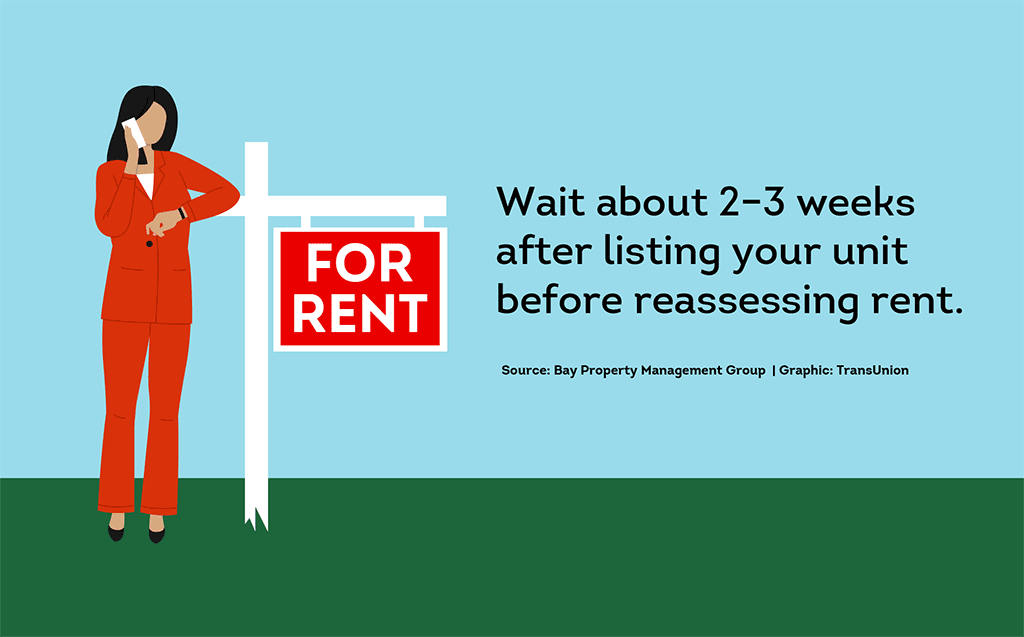
The time it takes to fill a vacancy can vary by market. However, Bay Property Management Group suggests it’s pretty normal to let two-to-three weeks go by with no hits before even adjusting your criteria or rental rate. This could mean an empty unit and a gap in rental income.
Of course, you want to have the best tenants. And, part of that means conducting screening through a reputable rental background check service like SmartMove®. However, there is a danger in being too restrictive with your criteria.
This article covers some of the criteria landlords consider while choosing a tenant, what to consider for each, tips for setting rental requirements, and potential pitfalls to watch out for. Knowing where you stand could help you attract and retain stronger, less-destructive tenants.
Common Tenant Screening Criteria
As a landlord, there are several types of rental background checks you might run on prospective tenants. While some, like a landlord reference check, is more subjective, others, like income verification, include data for which you may set limits and minimums.
This article covers the following rental criteria to help you consider if your screening policy is too restrictive or too relaxed:
- Minimum Credit Score
- Rent-to-Income Ratio
- Criminal Background Report
- Pet Policy
Credit Score
Many landlords include a tenant credit check within their tenant screening policy—and for good reason. Credit history can be a useful indicator of whether or not your prospective tenant is likely to pay rent on time. Some tenant credit reports may also include a credit score.
According to RiverTown Realty, a low credit score may be a sign of irresponsible financial behavior in rental applicants. On top of that, a history of late payments on a credit report is a “red flag” that you should take seriously, according to property management site SingleKey.
What is a good credit score?
According to TransUnion, a “good” credit score usually falls within the 661-780 range on the VantageScore® 3.0 scale. Credit scores can be a helpful metric. After all, according to TransUnion, the factors that influence your credit score include:
- Payment history
- Credit usage
- Credit depth
- Recent credit
That said, a single number alone rarely tells the entire story.
Credit Score Factors
Here are the factors that make up a VantageScore® 3.0 credit score and their relative impact:
- Payment history
- Utilization
- Balances
- Depth of credit
- Recent credit
- Available credit
Source: VantageScore | Graphic: TranUnion
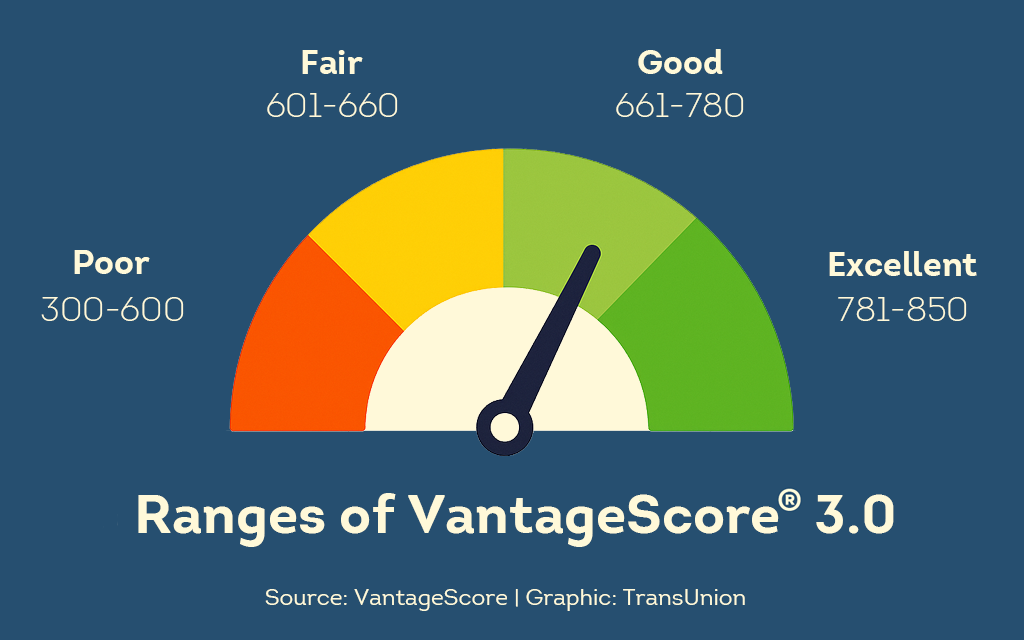
The bands are useful, but a single number doesn’t reflect everything and doesn’t compare to the depth you may find in a tenant credit report.
How Should I Set My Credit Score for Tenants?
A credit score is just a single number, and it doesn’t really provide much context. Rather than basing your decision on a single score, you may want to review a credit report and consider establishing a range of acceptable scores, depending on the circumstance.
For example, if you rent primarily to college students, you might not expect them to have the same credit score as applicants with a longer credit history. In this case, you might need to adjust your expectations to fit your market.
From a credit report, you can know more about:
- Payment history and if someone typically pays their bills on time or not
- How much debt someone has
- Derogatory marks like collections or bankruptcies
- Credit history
- Public records like court cases
All of these may help provide background insight on if someone is likely to pay your rental rate on time and in full every month.

Pro Tip:
If someone doesn’t quite qualify for your credit criteria, you could consider requiring a guarantor or co-signer to help protect yourself in the event of unpaid rent.
Go Beyond a Traditional Credit Score
One additional snag about credit scores is that they were created to check lending risk for things like car or business loans. The main purpose of a traditional credit score just isn’t to help predict if someone will be a responsible tenant or not.
However, a SmartMove exclusive, ResidentScore® was designed to help predict potential eviction risk. It is included in every SmartMove screening package and provides a score range of 350 to 850.
Bottom line: Enforcing a minimum credit score could mean missing out on a great tenant who hasn’t had the time to build credit or is still working on repairing poor credit history. Examine your tenant’s credit and payment history to learn if they have the financial habits that indicate they are likely to pay in full and every month.
Rent-to-Income Ratio
A rent-to-income ratio is a calculation that compares your potential rent payment to your rental applicant’s salary, according to Bay Property Management Group. This calculation is commonly used by landlords to help determine if someone can comfortably afford rent alongside their other financial obligations.
What should my rent-to-income ratio be?
The industry standard suggests that your applicant’s gross monthly income should be at least three times the cost of rent to safely cover expenses, according to the Bay Property Management article.
- Industry standard: Income should be at least 3x the monthly rent. For example, if the monthly rent is $2,000, the rental applicant’s income should be at least $6,000.
But, be careful. While this general calculation is helpful, it may not work in all markets. According to Realtor.com, location majorly impacts what people pay for rent. This means you may need to be flexible when setting rent-to-income criteria.
As an example, the Realtor.com article provides a snapshot of the share of income rent consumed in various U.S. cities in 2025. Essentially, these values are the average, real-life rent-to-income ratios experienced by tenants.
Here are a few highlights:
- Miami Area: 37.9%
- Boston: 32.6%
- San Diego: 31%
- Jacksonville, FL: 22.2%
- Denver: 19.9%
- Oklahoma City: 16.7%
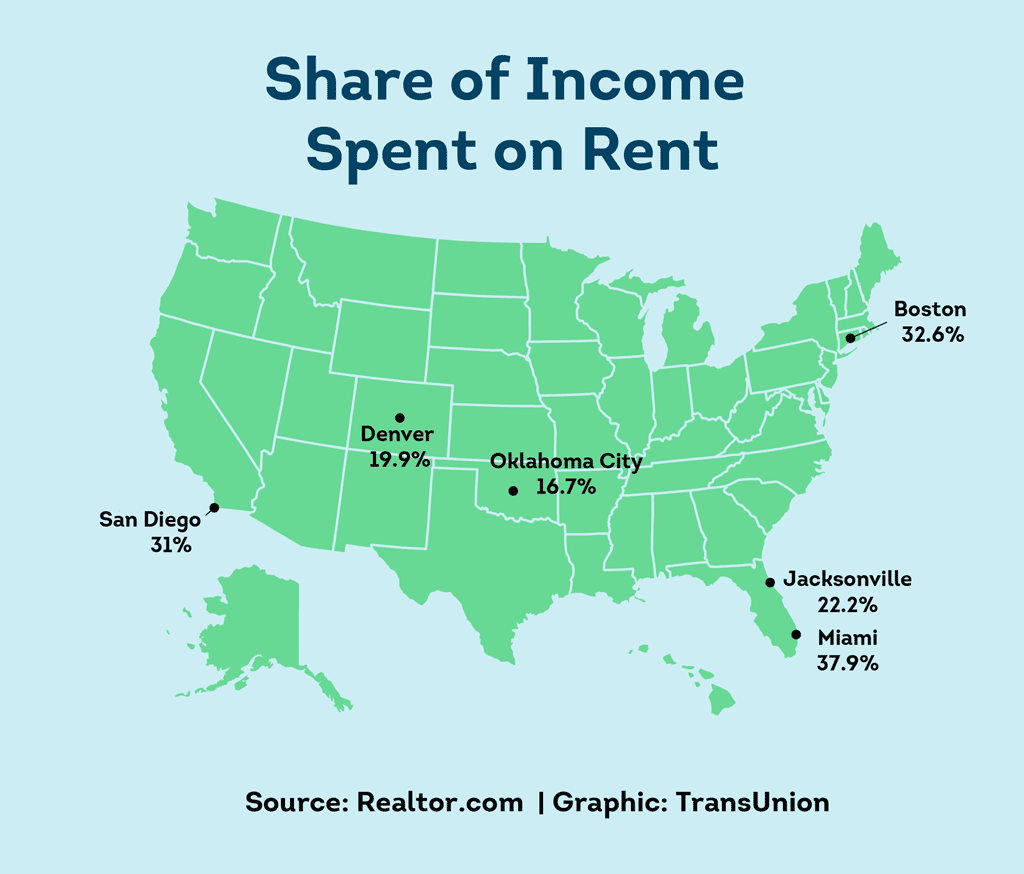
As you can see from the data, if you are somewhere like Miami, you might have a very difficult time filling your unit if you insist on the standard 30% rent-to-income ratio. Ultimately, you should take into consideration your local market when setting minimum requirements.
What’s more, it may be essential to conduct robust financial screening, including getting data like Income Insights, to help confirm someone makes enough money to afford rent every month.
Bottom line: Demanding a certain rent-to-income ratio may significantly narrow your pool of applicants, especially in geographic areas where fair market value is significantly higher than the national average. It is best to be thorough in your screening process and view your applicants contextually rather than judge from a rent-to-income percentage alone.
Pro Tip:
Screening may be essential. If you end up with someone with insufficient income or poor financial habits, you may have to eventually evict them. Read what to do if a tenant stops paying rent.
Criminal Background Report
A criminal background check is a common screening report landlords run. However, you must handle previous criminal history with care.
It’s important to remember that tenants have rights during screening, which include things like:
- How, when, and why someone can access protected data like criminal records, and
- What decisions someone can make with this data
It makes sense that landlords want to check criminal history. After all, according to Vantage West Realty, offenses like assault, fraud, or theft could be signs of potential danger that may point to potentially riskier tenants.
That said, the article also explains that it’s important to consider each situation individually and treat applicants fairly. Plus, not all criminal records mean trouble. Someone could have a criminal record for a moving violation or something completely unrelated to renting.
Be Careful with Blanket Criminal Policies
What’s more, different states and even cities can have special laws about if and when landlords can run criminal background checks on tenants.
For example, according to law firm Holland & Knight, New York City restricts when landlords can run criminal records and the circumstances under which someone can be refused housing based on a criminal past.
Like this, having a blanket “no criminal record” policy may mean you’re not following your requirements. On top of that, you must also make sure your screening policy doesn’t run afoul of applicable Fair Housing laws by unintentionally discriminating against protected classes of people.
Bottom line: Not all criminal convictions should immediately disqualify a rental applicant. Consider the nature and circumstance of the crime. As always, please consult your legal counsel to help ensure you are compliant with applicable laws.
No Pet Policy
According to 2025 data from the American Pet Products Association, 39% of American households have cats and 51% of American households have dogs. That’s a major chunk of potential tenants.
This means if you have a strict “no pets” policy, you could be severely limiting your options during tenant selection.
A 2025 survey by the Michelson Found Animals Foundation shows that 72% of rental residents said pet-friendly housing is hard to find. That’s because many landlords fear animal damage that goes beyond normal rental wear and tear.
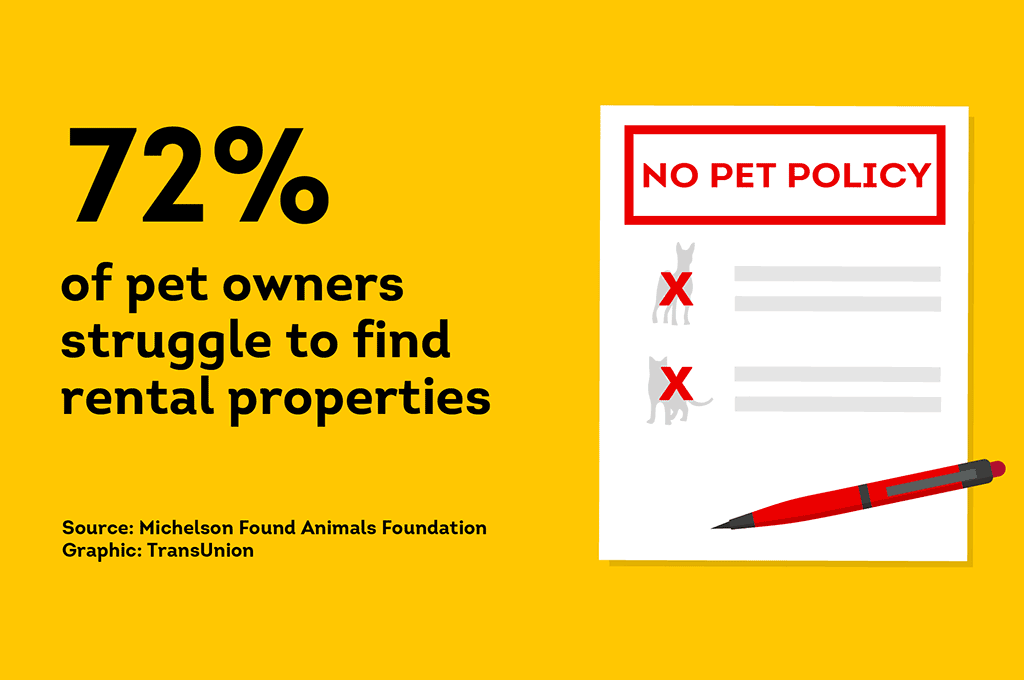
However, these odds could work in your favor. Allowing pets could widen your applicant pool. It could also increase your profit in some cases. According to RentCafe, these are the:
| Average Pet Deposit | Average Pet Rent | Average Pet Fee | |
|---|---|---|---|
| Small Cities | $289.52 | $34.88 | $312.54 |
| Large Cities | $311.20 | $37.14 | $314.76 |
Source: RentCafe
Of course, landlords often collect these fees to help offset potential damages pets may cause. However, if you end up with tenants with well-behaved pets, these fees could add to your bottom line.
Pro Tip:
Whether it’s letting a tenant modify a lease or allowing pets, being flexible and working with residents may help improve your landlord-tenant relationship, which can have a positive impact on your rental business and reputation.
Check Rental History
One of the best ways to ensure your tenants won’t take advantage of a flexible pet policy is to check their rental history and see how they’ve acted in past housing situations. By asking the right questions during a landlord reference check, you may glean insight into whether a pet was well-behaved, if the property was well kept, and if the neighbors were respected.
What’s more, you can also conduct a previous eviction check to help determine if there have been issues in the past.
Bottom line: Banning pets from your rental property may mean missing out on high-quality rental applicants. Take another look at your leasing terms and determine if you’re willing to reconsider allowing pets with a security deposit.
Help Keep Screening Criteria in Check with SmartMove
You can set applicant standards as you see fit, but even the strictest criteria won’t tell the whole story. To help protect yourself and your property, hone in on the data. Get fast, flexible tenant background checks with SmartMove.
A minimum credit score is just a number. Know more about an applicant’s financial history and potential with:
- ResidentScore, which is designed to help assess potential eviction risk
- Tenant credit check, which can help you determine if someone has a history of paying bills on time
- Income Insights, which helps confirm if the tenant’s self-reported income matches reality
While a blanket criminal record policy can get you in trouble, taking the time to individually consider the results of a criminal background report and previous eviction check may help keep your property safer. You can even get identity verification to help confirm the applicant is really who they say they are.
With access to tools that deliver critical information fast and a simple process for tenants to share their personal information in a safe way, SmartMove makes it easier to build trust between tenants and landlords.
Then, with reports backed by TransUnion, you get the data expertise of a major credit agency with the ease of a streamlined online tenant screening platform.
Being a landlord means there are a lot of decisions to make, but it doesn’t have to be a circus; get started today and let online tenant screening from SmartMove help with the balancing act.
Know your applicant.

Tenant Screening Criteria FAQs
Landlords can reject tenants based on less-than-stellar credit history, according to The Credit People. After all, if someone has a pattern of late payments, can you be sure your monthly rent will be different? That said, a single number may not tell you much about someone.
The article explains that you may want to look at other data points, such as rental history or income, or additional options like a shorter lease before making your decision. You can also consider other options, such as a higher security deposit or requiring a guarantor if they don’t quite stack up.
Then, if you screen with SmartMove, you’ll also receive a ResidentScore, which was designed for the rental market and helps assess potential eviction risk.
According to Bay Property Management Group, the industry standard is for tenants to make at least three times the cost of rent. That said, this calculation is just a general guideline and not always appropriate. The desired rent-to-income ratio may vary depending on personal circumstances and the rental market in your area.

Additional Disclosure:
For complete details of any product mentioned in this article, visit www.transunion.com. This site is governed by the TransUnion Rental Screening Privacy Policy Privacy Notice located at TransUnion Rental Screening Solutions, Inc. Privacy Notice | TransUnion.