


Summary:
- A poor landlord-tenant relationship may harm your reputation, discourage maintenance issue reporting, and may leave you with late rent payments.
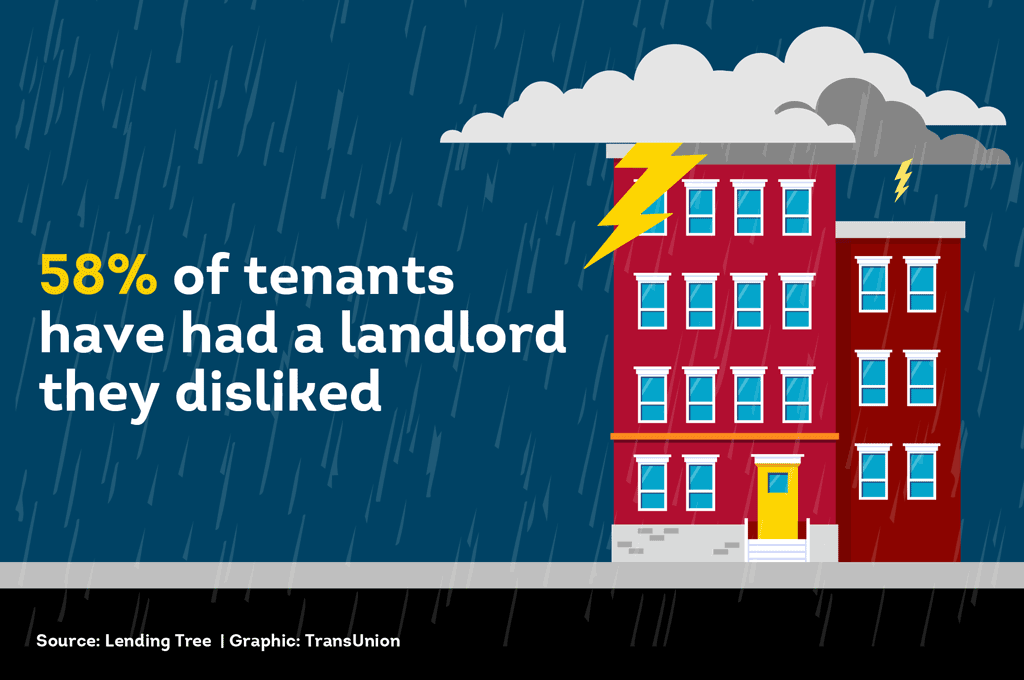
- 58% of renters have had a landlord they disliked, according to Lending Tree.
- To help improve landlord-tenant relationships, have a strong lease, communicate well, screen tenants, respond quickly, always be professional, follow lease terms, and keep good records.
Disclosure and Disclaimer
This post only contains educational information. No financial, tax or legal advice.
This information is for educational purposes only and we do not guarantee the accuracy or completeness of this information. This website may contain links to third party websites. We are not responsible for their content or data collection. Trademarks used in this material are property of their respective owners and no affiliation or endorsement is implied. Remember that this material is intended to provide you with helpful information and is not to be relied upon to make decisions. This information does not constitute financial, tax or legal advice and you should consult your own professional adviser regarding your situation.
A landlord-tenant relationship is a bit like a Wi-Fi connection. When the connection is strong, you never think much about it. However, if it’s weak––or even completely absent––you can barely focus on anything else.
Unfortunately, having a poor connection between landlords and tenants may be way more common than you might think. In fact, according to a recent survey from financial site Lending Tree, 58% of tenants have had a landlord they disliked. This is pretty staggering, considering it is the majority of people who rent.
Sure, you might say that you don’t care if your tenants like you and you’re not there to be your friend. However, if you’re not working to promote a positive tenant-landlord relationship, it could come back to haunt you.
How? If a tenant thinks you’re difficult to deal with, they may be less likely to report maintenance issues, less respectful of your property, less likely to renew the lease, and more likely to dissuade their friends and acquaintances from leasing from you.
Most landlords work hard to check out potential tenants and conduct thorough tenant screening with a reputable company like SmartMove®. However, not as many think much about maintaining the relationship beyond signing on the dotted line.
This article covers why a good landlord-tenant relationship is important, major areas where you might interact, and some tips for having a positive relationship with those who rent from you.
This article covers the following topics:
Why a Good Relationship Between a Landlord and Tenant is Important
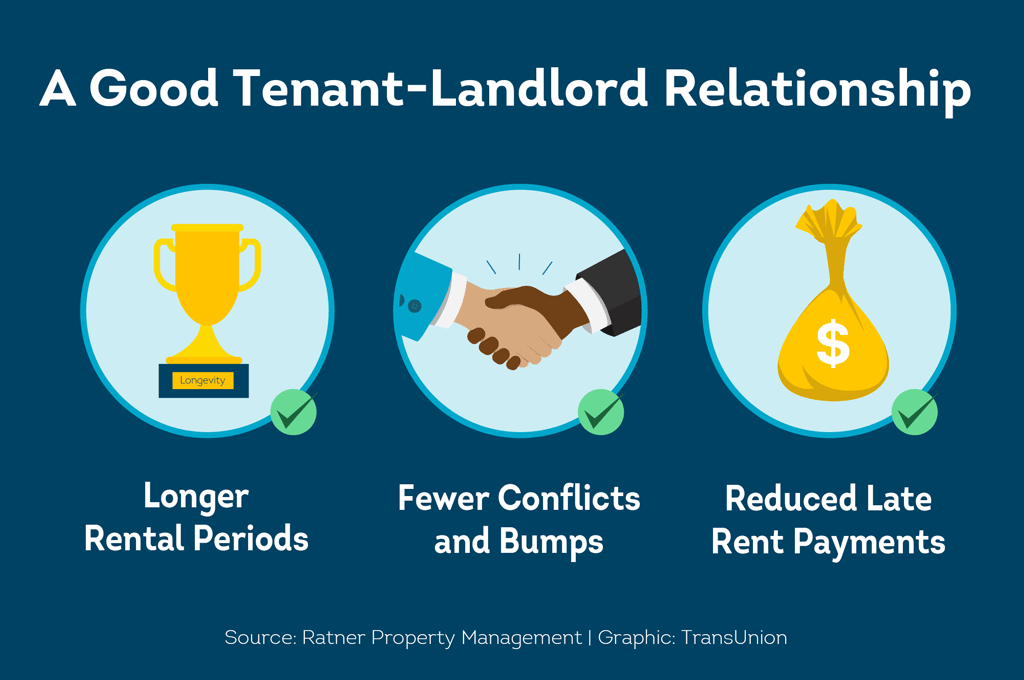
It may not be immediately obvious but having a good working relationship with your tenants can be very beneficial to your property business. According to Ratner Property Management, there are several potential benefits of a good rental relationship, including:
- Longer rental periods: If your tenants are happy, they may be more likely to renew a lease. Long-term tenants can add stability, predictable income, and further build trust that they’ll take care of your property.
- Reduce late rent payments: While tenants who have a bad landlord relationship may be lax about rent, those with a good rapport may find fewer instances of late payments.
- Fewer conflicts and bumps: With a good relationship, the tenancy may run more smoothly. If one of your tenants has a problem––from late rent to a neighbor conflict––having an existing, positive relationship may make it easier for you to find a resolution.
On top of all of these, having a good relationship could also lead to an improved reputation. A good reputation can help you, especially in close-knit communities, such as near college campuses.
On the other hand, if you’re known as someone who does not take care of properties, drops in unannounced, or loses the rent check, you might find your potential rental pool reduced.

Pro Tip:
Preventing tenant turnover is one way to potentially save money as a landlord. Additionally, you may be able to keep a little more of your earnings by claiming tax deductions for landlords.
What a Tenant-Landlord Relationship Includes
You don’t have to be best friends with your tenant, but should be communicative, respectful, and respond to them in a timely manner.
Below, you’ll find several instances when you might interact with your tenants,-- and tips for improving your rental relationships.
Rental Application and Screening
According to Real Property Management, it’s important to have a solid foundation, even before your applicants become tenants. From writing your ad, reviewing applications, or running comprehensive tenant background checks, you’re already setting the tone for how potential tenants might perceive you.
Move-In and Helpful Information
Good communication should extend to signing the lease and moving in, according to Bay Property Management Group. Part of making a good first impression is being available for tenants.
Whether it’s a key not working, a small maintenance request, or parking questions, your tenant might need help during move in. It’s good to make sure someone is available to support them and help them feel welcome.
Pro Tip:
You can include helpful tips about your unit and the neighborhood in a welcome letter. A helpful, detailed welcome letter is one of the ten landlord documents you should already be keeping.
Rent Payments
Money can always be a sensitive subject. To make money as a landlord, you need someone who pays your rental rate on time, in full, and every month. This is why it’s essential to conduct tenant financial screening, such as:
- Credit reports that help you review your rental applicant’s financial track record.
- ResidentScore®, Designed specifically for the rental marketing to help landlords assess potential eviction risk.
- Employment verification that can help you confirm the money coming in regularly.
- Income Insights, which may help confirm the applicant actually makes the salary they claim on their rental application.
However, once you’ve checked they have the means and financial habits to pay rent, you still have to make sure it’s collected every month––without crowding or hovering over your tenant’s shoulder.
According to Bay Property Management, you should make sure to respect your tenant’s privacy and be clear about your rent collection methods and late fees.
Disagreements or Conflicts
During a lease, it’s not uncommon for some kind of conflict to arise. It could be with roommates, neighbors, or even with you.The Ratner Property Management article advises that you should be prepared to handle common tenant complaints and disagreements with professionalism and respect.
Additionally, before you sign a lease, it’s important to do a criminal background check to help weed out rental applicants with a potentially relevant criminal history, such as a habit of escalating disagreements with violent assault.
Ongoing Repairs and Maintenance
Ongoing repairs and maintenance is one tenant touch point that lasts throughout the lease–-––and may come with a major risk of creating ill will.
The Real Property Management article advises your tenants shouldn’t have to wait around to get things fixed. It also explains how repairs and maintenance can impact the landlord-tenant relationship, such as:
- Taking care of problems quickly can inspire tenant trust. But, if you take too long, your residents may give up on you.
- Ongoing maintenance shows tenants you care about both your property and their comfort.
- Attentive repairs help stop small issues from turning into large ones––which can cause tenants to leave.
- If a tenant feels their requests are ignored, they are more likely to move-out instead of renew, leaving you with a vacancy to fill.
No matter the maintenance type, just remember that, according to BBG Law Group, your visits could require notice. It’s unlikely you can just drop by unannounced. Rather, you will more likely schedule your visits according to your lease terms.
Pro Tip:
Even before the lease starts, you can practice good landlord communication by writing a great rental and knowing how and where to advertise your property.
End of a Lease Move Out or Renegotiation
One major point of communication with tenants occurs at the end of the lease. Here, you’ll need to find out if your tenant wants to:
- Extend the contract. Renewing a lease can be a mutually beneficial arrangement, but may need to be handled with care.
- Move out at the end of the lease. Even after a tenant leaves, they may still impact your reputation. You can help maintain a good relationship by managing things like returning the security deposit fairly, according to Bay Property Management Group.
These are just some examples of the most common times when tenants and landlords interact, but it is not an exhaustive list. In the next section, you can see some of the places where the landlord-tenant relationship often goes wrong.
Common Tenant Complaints About Landlords
In the same Lending Tree article discussed above, the survey goes on to break down some of the most common complaints tenants have about their landlords.
Out of the tenants who did not like their landlord, many had similar reasons. Survey respondents cited the following reasons for disliking their landlords:
- Maintenance (68%)
- Communication (53%)
- Lack of respect or professionalism (42%)
- Entering without permission (31%)
- Ended in a legal dispute (21%)
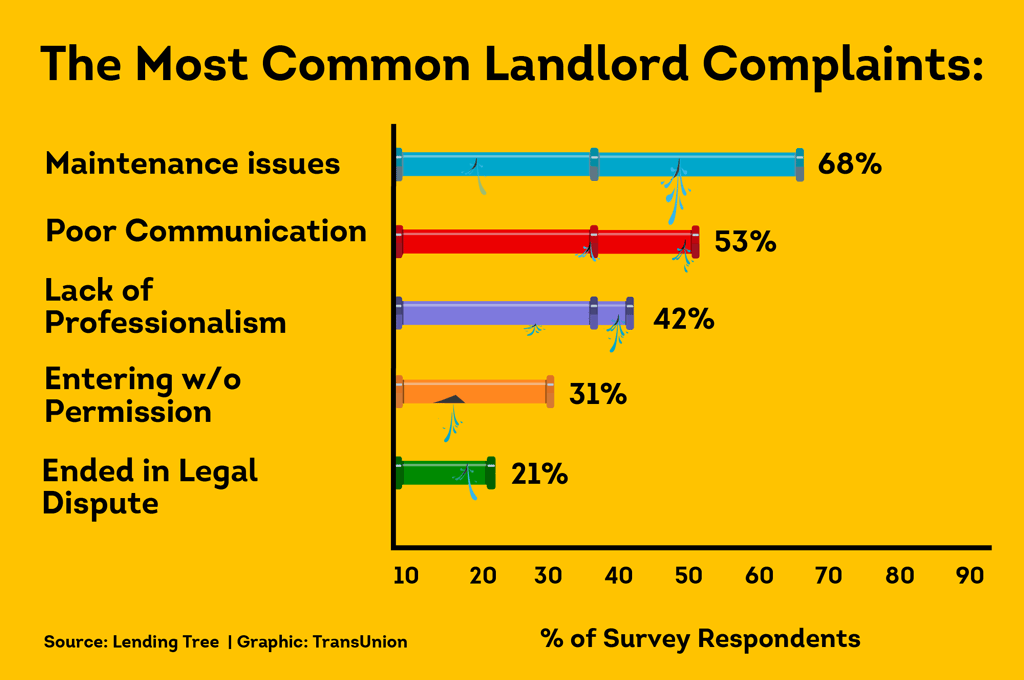
With so many common experiences among tenants, there’s likely more that landlords could do to help improve the relationship. The data suggests that even just prioritizing maintenance issues and improving communication would go a long way to make this vital relationship healthier.
On top of that, the next section includes several tips that may be beneficial for you to consider in your own property business.
How to Have a Better Landlord Tenant Relationship
Given the landlord complaints and tenant touch points outlined above, there are several things you might consider to help improve your relationship with tenants.
1. Have a strong lease or rental agreement
Have a strong lease or rental agreement may outline what’s expected of each party. Knowing who is responsible for what may be essential for avoiding miscommunications.
2. Screen potential tenants well
Before you even let someone in the door, you may want to perform rental background checks and decide if they’re likely to be a great tenant who communicates well and will treat your property with respect. Screening should include:
- Financial screening, such as a credit report, Income Insights, and ResidentScore
- Employment verification
- Personal background, such as identity verification and a criminal background report
- Previous eviction check
3. Respond to problems quickly
Whether it’s a maintenance issue or disagreements with neighbors, keep the property in good condition. As you can see from the survey results above, maintenance problems are a major sore spot in tenant relations.
4. Keep good records
Document phone, text, and in-person conversations. That way, you can keep track of any tenant complaints, maintenance needs, or disputes.
5. Add entry terms to lease
According to BBG Law Group, your lease should include clauses for notice about entering for inspection or other purposes. You typically just can’t drop in unannounced.
6. Be a good communicator
From when you advertise your rental property and conduct landlord reference checks to handing off the keys and beyond, it’s important to be courteous, professional, and approachable.
These tips may help you build a better, more communicative relationship with your tenants that could potentially lead to safer rental outcomes.
Help Improve Trust with SmartMove Tenant Screening
Like any good partnership, the best landlord-tenant relationships are built on trust on both sides. However, that trust doesn’t have to rely on gut feeling alone. Help back up your gut instinct with fast, online tenant background checks through SmartMove.
Being open and communicative doesn’t work well if your potential tenant is actively trying to conceal their past behavior. Criminal background reports zip through millions of criminal records searching for a potential match for your rental applicant.
On top of that, previous eviction checks search for previous eviction-related court cases connected to your potential tenant. Meanwhile, identity verification helps confirm your applicant is really who they say they are.
While tenants are concerned about maintenance issues, you need to make sure your rental applicant can maintain the rent payments on time, in full, and every month. SmartMove provides several tools to help you feel more confident about your potential tenant’s finances, including:
- Credit Report: Thisdive into your rental applicant’s financial habits may help you understand their tendency to pay bills on time, debt load, and other information pertinent to your leasing decision.
- ResidentScore: Included in every SmartMove screening package, this proprietary score may help predict future eviction risk..
- Income Insights: Help confirm your potential tenant actually makes the income they claim with this special report, available only through SmartMove.
Most reports are delivered same day after the applicant verifies their identity and are backed by TransUnion, a major credit agency with over four decades of data expertise. Designed specifically for independent landlords, you can get only the reports you need and only when you need them. There are no sign-up costs, subscriptions, minimums or hidden fees. Simply sign up and start screening immediately.
Don’t let a disconnect with tenants lead to property business disaster. Help get a clearer signal with flexible, online tenant screening through SmartMove.
Tenant–Landlord Relationship FAQs
Find answers to some of the most frequently asked questions about tenant–landlord relationships below.
The exact timing may depend on applicable laws and your lease term. Often, it can be around 24 to 48 hours, according to BBG Law Group. Except in an emergency situation, the article explains landlords generally can’t just show up at a tenant’s door. For questions specific to your property, make sure to contact qualified legal counsel.
Landlords are typically responsible for maintenance issues, while tenants are responsible for the day to day upkeep of the unit, according to legal site FindLaw. Landlords are required to keep the unit livable and are generally responsible for fixing things like appliances, locks, electricity, and water.
Tenants might be responsible for things like cleaning and changing light bulbs. Additionally, the FindLaw article explains that it’s on tenants to pay for damages they (or their guests) cause.
Being dependable, responsive, professional, and a good communicator may help build trust with tenants. According to Ratner Property Management, some of the specific things you can do to inspire trust include taking care of maintenance issues quickly, respecting tenant privacy, being fair and flexible, and showing you appreciate them.
Know your applicant.


Additional Disclosure:
For complete details of any product mentioned in this article, visit www.transunion.com. This site is governed by the TransUnion Rental Screening Privacy Policy Privacy Notice located at TransUnion Rental Screening Solutions, Inc. Privacy Notice | TransUnion.