


Key Takeaways:
- One of the most common causes of eviction is rental non-payment, according to research from The University of Chicago.
- Landlords can spot potential red flags during the rental application process in both screening reports and more subtle tenant behaviors.
- Some potential red flags on rental applications and when interviewing tenants include asking you to skip screening, frequent job and house hopping, and incomplete application information.
- Tenant screening red flags aren’t necessarily dealbreakers. Rather, they typically mean you need to dig a little deeper for context and explanations.
Disclosure and Disclaimer
This post only contains educational information. No financial, tax or legal advice.
This information is for educational purposes only and we do not guarantee the accuracy or completeness of this information. This website may contain links to third party websites. We are not responsible for their content or data collection. Trademarks used in this material are property of their respective owners and no affiliation or endorsement is implied. Remember that this material is intended to provide you with helpful information and is not to be relied upon to make decisions. This information does not constitute financial, tax or legal advice and you should consult your own professional adviser regarding your situation.
Some potential tenant screening red flags examples are obvious. Frequent evictions, a history of relevant crimes, and lack of income might stick out like an over-sized elephant wearing a red flag for a hat. However, not every possible threat is so easy for landlords to see.
Some of the most potentially destructive tenant warning signs are tiny by comparison––and shockingly simple to overlook if you're not prepared.
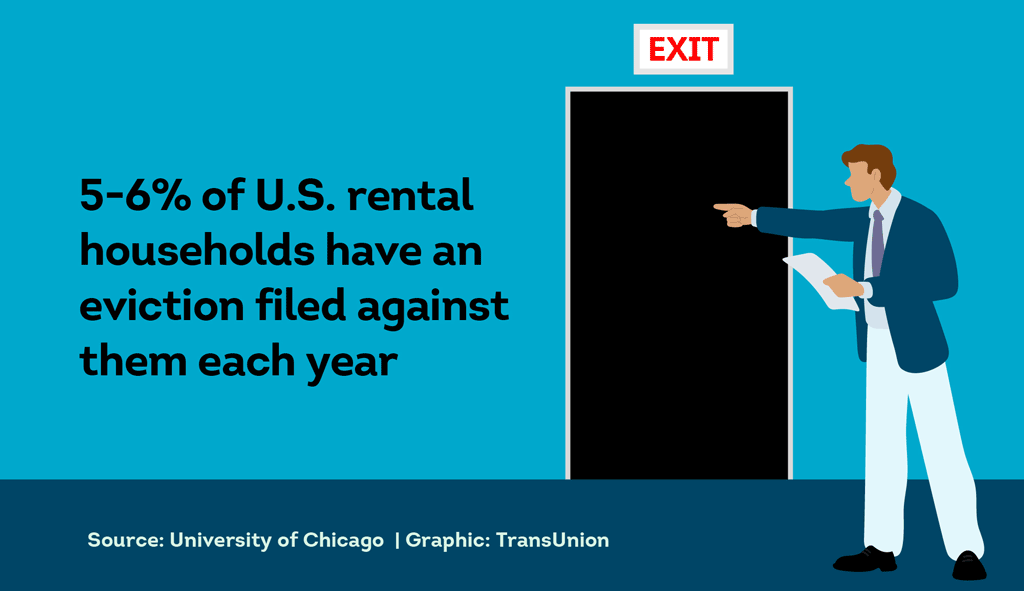
According to recent research from the University of Chicago, about 5-6% of rental households have an eviction filed against them each year––typically for nonpayment.
That might not seem like a lot. However, if you do end up the unlucky landlord who has to evict someone, you could face an expensive and time-consuming process that taps your financial resources and your patience.
That's why it's so important to pay attention to the tenant screening warning signs below and screen your rental applicants with a trustworthy provider like SmartMove®. However, not every single potential red flag on a rental application shows up on a report.
This article reviews both the basic watchouts that most savvy landlords already know about. It also covers the less obvious warning signs, like potential red flags when interviewing tenants, that could tank your independent property business.
The Three Potential Tenant Screening Red Flags: Criminal, Credit, and Eviction Reports
Before delving into the less obvious tenant warning signs, let’s first cover the basics. These three screening reports can help you spot some of the potential more obvious red flags on rental applications and when interviewing tenants. The sections below explain how.
Understand Your Tenant's Criminal Background
A criminal background check is a screening report that reviews criminal records against your rental applicant’s data s to help determine if there are any potential matches. Diving into your potential tenant’s past may be crucial to help discover if your applicant could harm your rental property.
First, it’s important to know that not all criminal background reports are a red flag on a rental application or mean trouble. After all, someone could have a criminal record or an old charge for something completely unrelated to renting.
However, according to Vantage West Realty, offenses like the following could be a tenant screening red flag that may point to potentially riskier tenants:
- Assault
- Fraud
- Theft
Of course, the article also explains that it’s important to treat applicants fairly and consider each situation individually. You also need to take into consideration applicable laws that may impact when you can get a criminal background report and what decisions you can make with it.
Spot Potential Financial Red Flags on a Tenant Credit Check
Some landlords run credit checks on rental applicants. Credit reports provide insight into an applicant’s financial history. For example, credit reports may help landlords better understand how a potential tenant manages debt and other financial obligations. .
Some things to look for in a tenant credit check include:
| What to Look For | Why It Matters |
|---|---|
| How they handle payments | Do they frequently pay late or not in full? If so, it might indicate the same treatment of your rent. |
| How much debt they have | If they have a large amount of debt and lots of financial obligations, will they be able to keep up with your rent payments? |
| Any derogatory marks | If they’re already overburdened with things like bankruptcies or accounts in collections, what does that mean for your rental business? |
| Overall credit history | Reviewing their credit usage and patterns may help you better predict if it’s likely they’ll pay on time or not |
What about a tenant’s credit score?
Some landlords like to use a credit score as an indicator of a good potential tenant. However, a traditional credit score measures someone's general creditworthiness and is likely best for things like home or car loans. It was simply not made to help predict rental outcomes.
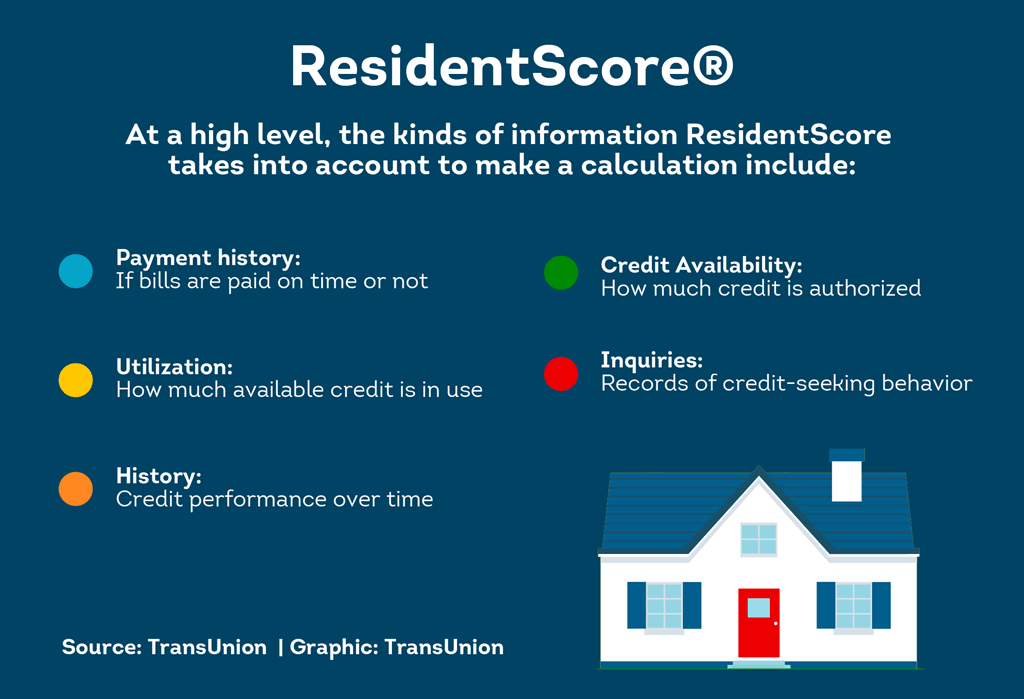
On the other hand, ResidentScore® is designed specifically to help landlords help predict potential eviction risk of a rental applicant. Like a traditional credit score, a higher ResidentScore is generally a sign of stronger financial health.
Uncover Previous Evictions
According to Marblestone Property Group, a rental applicant with an eviction history could be a potential red flag on a rental application that indicates a past ripe with unstable finances or repeated lease violations. On top of that, as mentioned earlier the research from the University of Chicago indicates that the most common cause of eviction was from rental nonpayment.
Because of these risks, many landlords try to dig more about a rental applicant’s background, with a previous eviction check. Knowing more about an applicant’s past housing patterns can help you make more informed decisions.

Pro Tip:
Eviction reports aren’t the only way to get the skinny on potential tenants. When checking rental history, you can also conduct landlord reference checks to hear about behaviors and potential problems directly from past property managers.
Watch Out for These Hidden Renter Screening Warning Signs
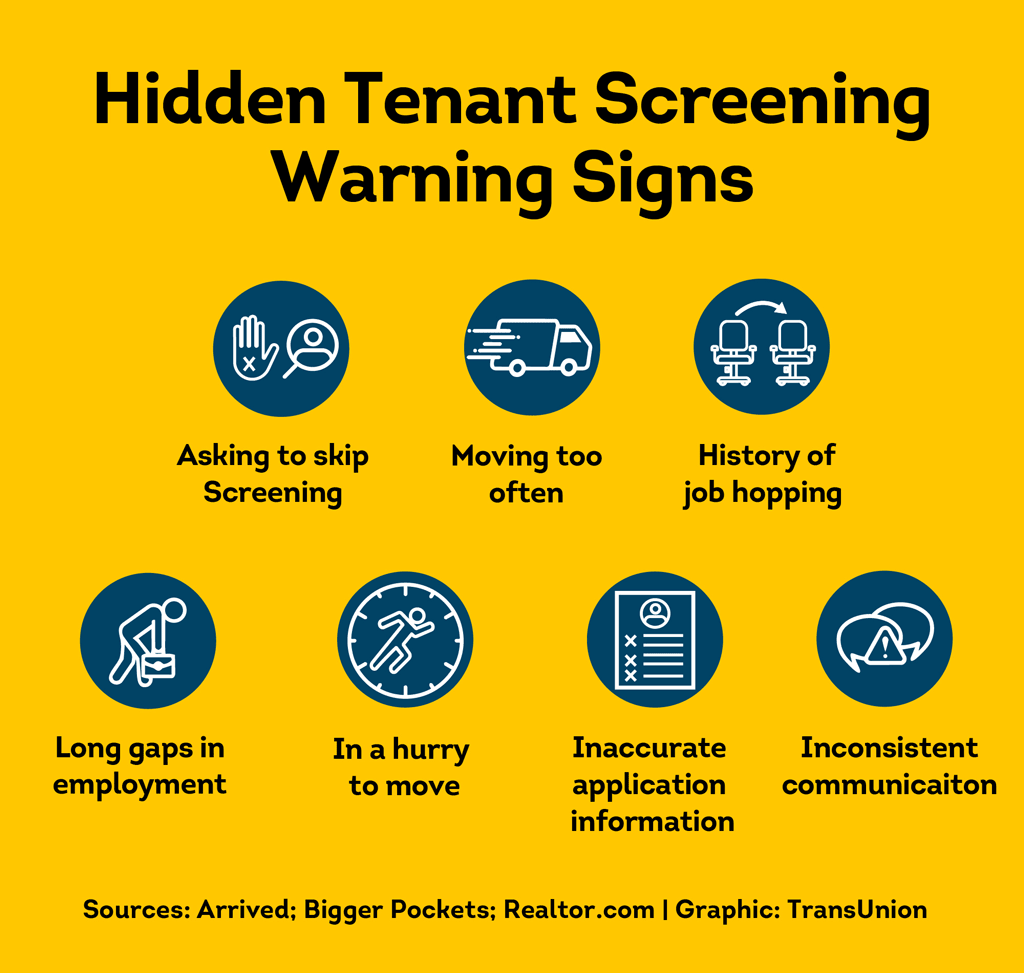
Beyond the possible obvious red flags on tenant screening reports, there may be several more subtle potential warning signs that could devastate your rental business if you're not careful.
As they say, "the devil is in the details." If your detailed review turns up a tenant who falls into any of the categories listed below, you may want to take a closer look.
Explained in the sections below are some additional potential red flags to watch for on a rental application and when interviewing tenants:
| Potential Red Flag | Why It’s Risky | What to Do About It |
|---|---|---|
| Asking you to skip formal tenant screening | They want to conceal past housing, criminal, or financial trouble | Create and stick to a screening policy that considers background checks for all rental applicants |
| Moving too often | They may break the lease early and leave you with a pricey vacancy | Understand why they move frequently. Include terms about early move-outs in your lease |
| History of job hopping | Unstable income and potential rent non-payment | Confirm finances with Income Insights, understand why they change jobs so often |
| Long gaps in employment | General instability and risk of rental non-payment | Thorough financial screening, consider a guarantor or co-signer |
| In a hurry to move | They’re being evicted somewhere else | Run an eviction report, conduct landlord reference checks, take your time with screening |
| Missing or inaccurate application information | They’re purposefully leaving out information they don’t want you to see | Ask for complete details, run screening |
| Disrespectful or bad communication | They can be difficult to work with, act rudely to neighbors, or not report issues | Assess their communication skills and conduct previous landlord reference checks |
1. Asking You to Skip Formal Tenant Screening
This one is somewhat obvious. According to RL Property Management, it can be a major red flag when interviewing tenants and applicants try to:
- Wriggle out of background checks
- Redirect conversations about their past, or
- Apply a false sense of urgency or pressure
Often these applicants are in a hurry to move. They want to sign a lease right away and may try to rush you or stress you out with a sob story.
It can be tempting to move someone into your unit quickly to prevent costly vacancies. However, asking to skip screening could be a tenant screening red flag that your applicants may be hiding something that will potentially destroy your rental business down the line.
To ensure your applicants meet your screening requirements, run a credit report, criminal history check, and eviction check before making any leasing decision.
2. Moving Too Often
Does your rental applicant have a history of moving around a lot? If so, RL Property Management says this could be a sign of instability and is worth a second look.
Do they move frequently for work or the military? Do they move because of issues with their landlord or rent payment? You probably want to know. After all, if they have a job that requires them to move every three months or a history of jumping ship from lease agreements, would you be eager to sign a full year’s contract?
To help protect yourself, you may be able to add clauses about early termination in your lease or rental agreement.
3. A History of Job Hopping
Similarly, someone who changes jobs frequently may warrant extra scrutiny, according to Vantage West. Job hopping could point to both frequent moves and/or financial instability––and both can mean expensive vacancies for you.
While it's true that a tenant may still have stable income even with frequent job changes, it's crucial to figure out what’s going on to determine if this is indeed a potential tenant screening red flag. This is why employment verification is one of the most common background check types for landlords.
4. Long Gaps in Employment
Perhaps they took a gap year after school to travel, or they were a stay-at-home parent. Long gaps in employment could be nothing––or they could be part of a harmful pattern that may spell big trouble for you.
According to real estate site Primior, almost half of landlords see employment gaps as a potential major red flag when interviewing tenants. After all, if they don’t have stable money coming in, how can they pay your rent every month?
If you notice work gaps on a rental application, consider asking the applicant for a feasible explanation. You can also get an Income Insights report to help confirm they actually make what they claim. Additionally, you can request a guarantor or co-signer to help reduce your potential risk.
5. In A Hurry to Move
Vantage West also explains that one potential rental application red flag is an applicant that's in a big hurry to move. There may be perfectly harmless reasons why someone wants to sign quickly. However, it could also mean they’re getting kicked out somewhere else.
Be sure to identify potential red flags when interviewing tenants and ask your applicants why they're moving. It’s prudent to get an eviction report to help check their rental history.
6. Missing or Inaccurate Information on Application
Is missing information on a rental application a harmless mistake? Or is it a red flag on a rental application, a strategic omission meant to cover up a shaky past?
According to RL Property Management, you should be especially wary of things like:
- Incomplete rental applications
- Leaving out contact details like phone numbers
- Vague rental history and landlord information
- Contradictory data or answers
An applicant who only partially fills out a rental application should prompt you to ask follow-up questions. Then, if your applicant's self-reported information clashes with what you discover on tenant screening reports, think long and hard before signing a lease.
For example, what if a tenant tells you they have no prior evictions but you find a judgement on a previous eviction check? You may want to take that factor into consideration when making your decision.
Pro Tip:
There’s more to know about prospective tenants than just their financial situation and housing history. Read what questions to ask rental applicants to help weed out potentially destructive residents.
Bonus: Inconsistent Communication and Behavior
This final, bonus potential red flag might not be as obvious for landlords to spot. Vantage West advises to watch out for disrespectful actions and behavior in your dealings with potential tenants. For example, to identify potential red flags when interviewing tenants, do they:
- Have only bad things to say about your property or neighborhood?
- Lack courtesy and are generally disrespectful?
- Show up late without giving you a heads up?
- Make many demands upfront, indicating they are high maintenance?
A rental applicant may have an acceptable financial and eviction history, but a difficult personality could make them hard for you and the neighbors to get along with.
Pro Tip:
Identity theft isn’t just limited to financial crimes. This type of fraud is also present in the rental industry. Consider getting identity verification to halt scammers and help confirm your applicant is actually who they say they are.
Help Discover Hidden Warning Signs with SmartMove
When it comes to running a successful property business, the most dangerous tenant screening red flags are not always the most obvious. Help discover more of the small things with tenant screening through SmartMove.
Backed by TransUnion, a major credit agency, SmartMove provides fast online tenant background checks that help dive into your rental applicant's history.
A small omission on your tenant’s rental application could be an innocent mistake. Or, it could be the sign of a potential scammer who wants to make you their next victim. Help discover if your applicant's actual record matches what they put on the application with a criminal background report and an eviction check.
Meanwhile, a tenant credit check helps reveal if your tenant really has the glowing financial history they claim. Income Insights can even help you confirm the income they put on the rental application actually matches reality.
Then, included in every screening package, the proprietary ResidentScore® is designed to help assess potential eviction risk a tenant may bring. You can even get an identity check to help confirm your potential tenant is really who they say they are.
Designed for independent landlords, SmartMove provides flexible options that help you get only the reports you need, only when you need them. There are no hidden fees, no subscriptions, and no start-up costs or monthly minimums. Simply sign up and start screening.
Don't let a small oversight be the downfall of your property business. Weed out more warning signs by screening potential tenants with SmartMove.
SmartMove,
Great Reports. Great Convenience. Great Insights.
FAQs: Tenant Screening Red Flags
You should look at both credit history and income when screening potential tenants, as they reveal different things. Credit history can show someone’s financial patterns and general history with paying bills on time (which can help you better predict if they’ll pay your rent).
On the other hand, income verification helps you make sure your applicant is making sufficient finances to meet your rent currently. This helps you understand if they’re likely to have a reliable income source going forward.
It can be. According to Legacy Property Management, a low credit score could mean someone may not be the best fit, but it isn’t always a dealbreaker. The article explains a better approach is to look at the entire financial picture instead of just one data point.
You can get a credit report and Income Insights to help understand their entire financial picture better.
Get a previous eviction check from a professional, reputable provider like SmartMove. That said, do note that reports are not always available, as some state and applicable laws restrict the availability or use of some eviction information.
If possible, it’s best to get documents directly from a third party, such as an employer or professional tenant screening company. If that’s not possible, you may have to scrutinize tenant-supplied documents for edits and fakes.
Real estate site Primior advises to look for: fonts changing throughout the document, sections that look cut-off or entirely missing, whole numbers for things like salary (e.g. $3,600 vs. $3,687), words or numbers that don’t quite line up with the rest, blurred images or logos, and incorrect math.
The article also explains you can contact employers or past landlords directly to help verify specific details about employment, income, and rental history.
Know your applicant.


Additional Disclosure:
For complete details of any product mentioned in this article, visit www.transunion.com. This site is governed by the TransUnion Rental Screening Privacy Policy Privacy Notice located at TransUnion Rental Screening Solutions, Inc. Privacy Notice | TransUnion.